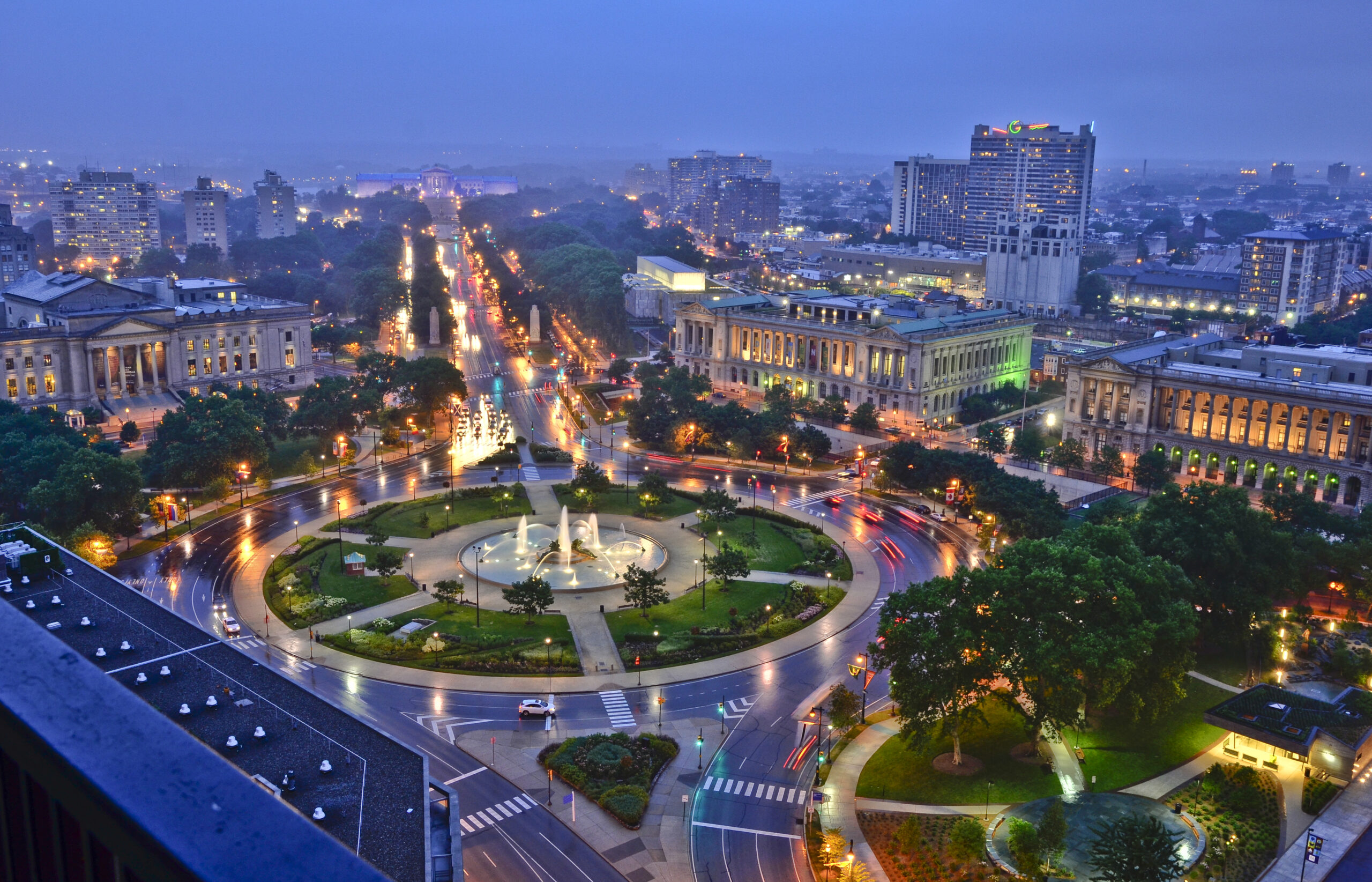
About the Project
The viaduct was built in the 1890s to carry passenger and freight trains into Center City and consists of steel structures, elevated filled areas and arched masonry bridges that provide spectacular views of the city. After the last train traveled its rails in 1984, the viaduct was abandoned. Through this project, CCD aims to transform 6.8 acres of brownfields running 6/10th of a mile from Vine Street to Fairmount Avenue into an elevated park.
Rail Park: Phase 1
In 2018, Center City District completed the first phase of the Rail Park, transforming 26,000 square feet of a defunct railroad viaduct.
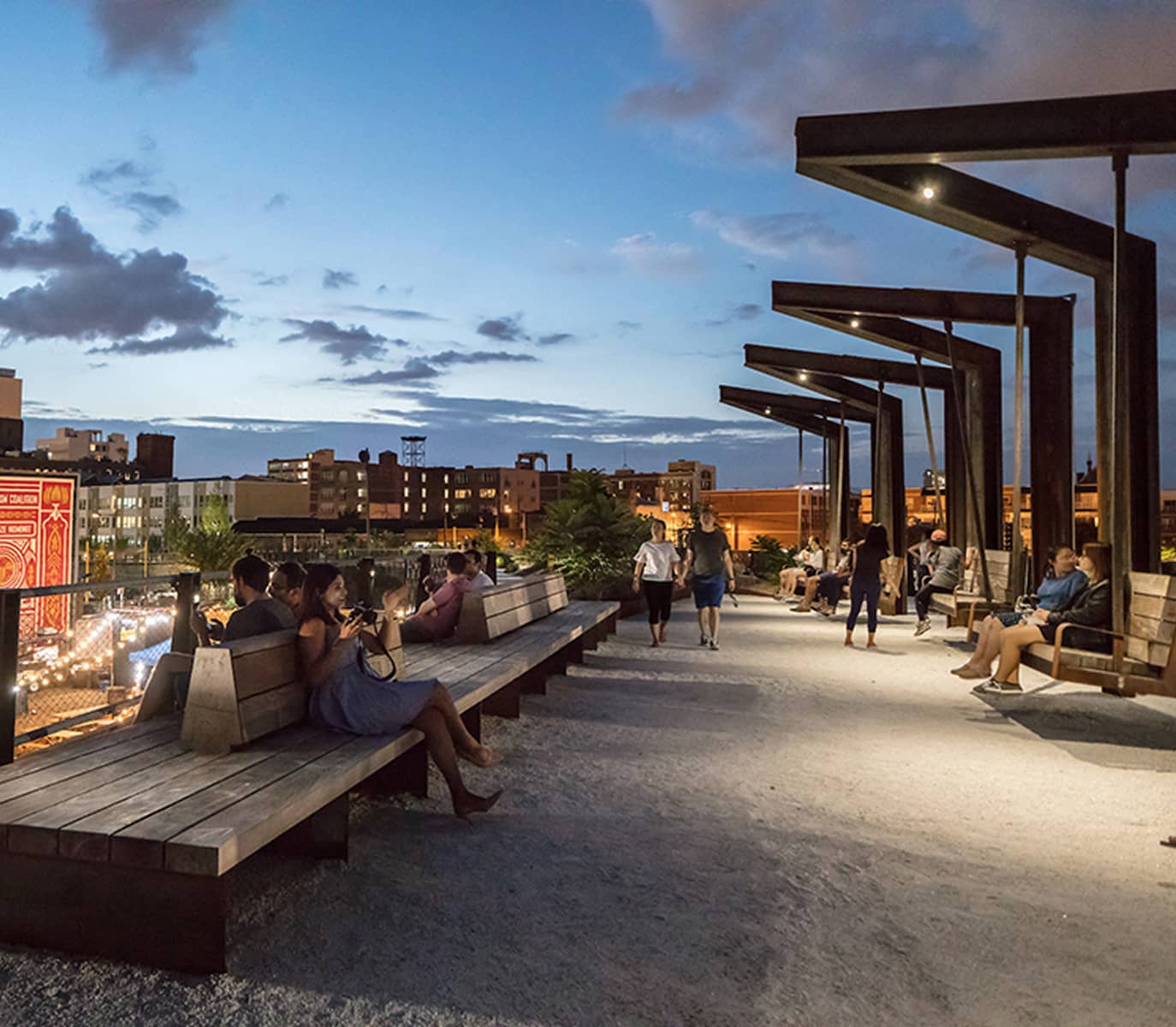
Current Progress
Building on the success of the first phase, CCD entered into a development agreement with the City of Philadelphia and has engaged Urban Engineers and Studio Bryan Hanes to lead engineering and landscape design.
As part of this work, CCD is working closely with the surrounding communities. CCD retained community engagement firm Connect the Dots, which solicited a broad range of opinions and received valuable suggestions from neighbors at public meetings as well as through online and intercept surveys. Additionally, CCD and Connect the Dots created a Statement of Values to guide project design in partnership with the project steering committee: Friends of the Rail Park, West Poplar Neighborhood Association, Callowhill Neighbors Association, 14th Community Organization RCO, and Philadelphia Chinatown Development Corporation.
CCD also worked with the city to bring a case before the National Transportation Safety Board, which confirmed that the viaduct is not an operating rail line but a dilapidated and dangerous structure neglected for over four decades. The NTSB’s definitive ruling that the rail operating rights were extinguished decades ago strips Reading International of its exemption from city codes, taxation, and eminent domain—clearing the way for the city to transform the property into a park for adjacent neighborhoods.
CCD has committed to raising all funds to complete the Viaduct Greenway renovation, with initial work supported by a generous grant from the Pennsylvania Department of Community and Economic Development Industrial Sites Reuse Program and additional grant support from the William Penn Foundation, Poor Richards Charitable Trust, Connelly Foundation, Wyncote Foundation, and PECO Green Region.
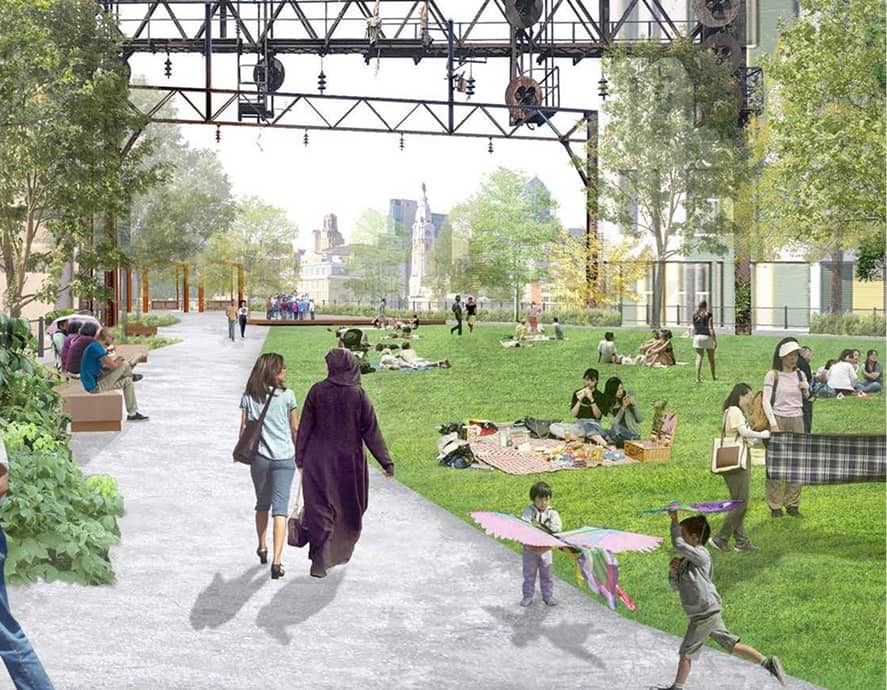
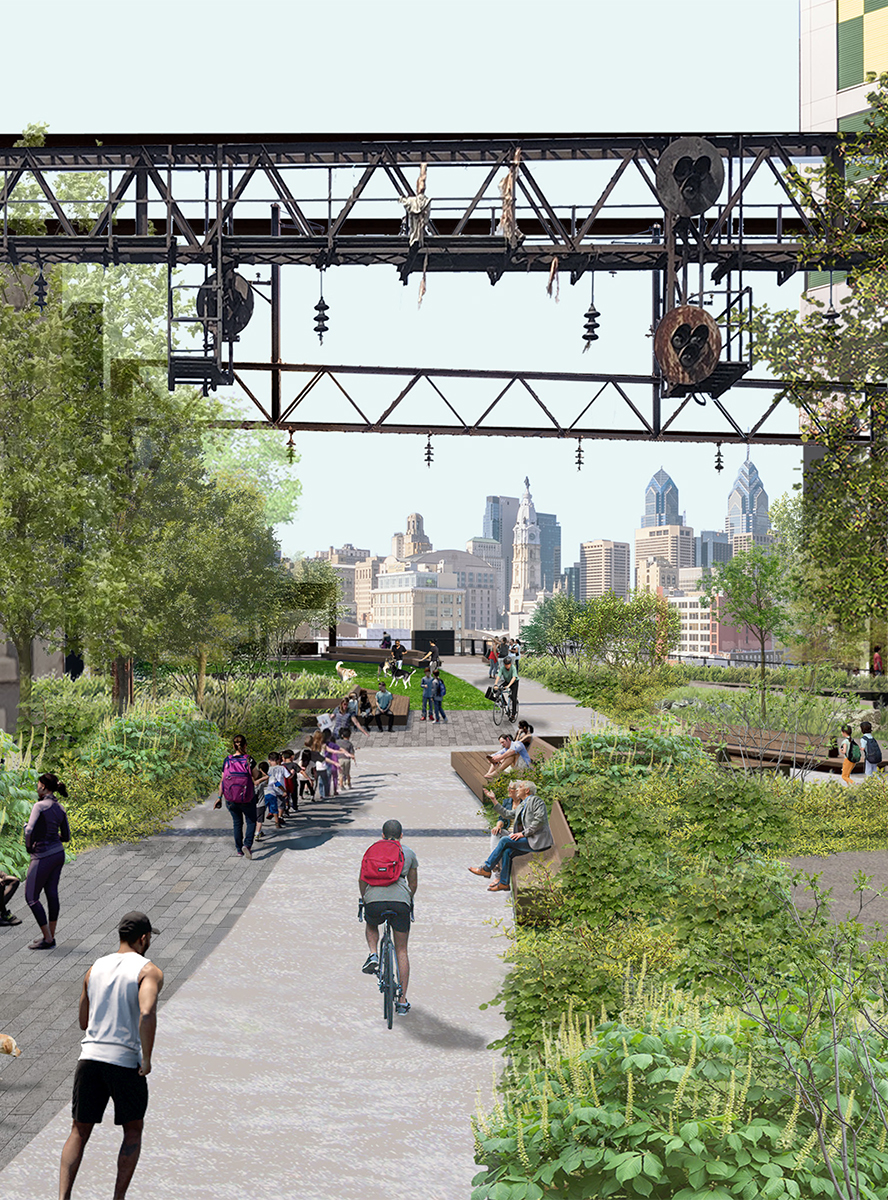
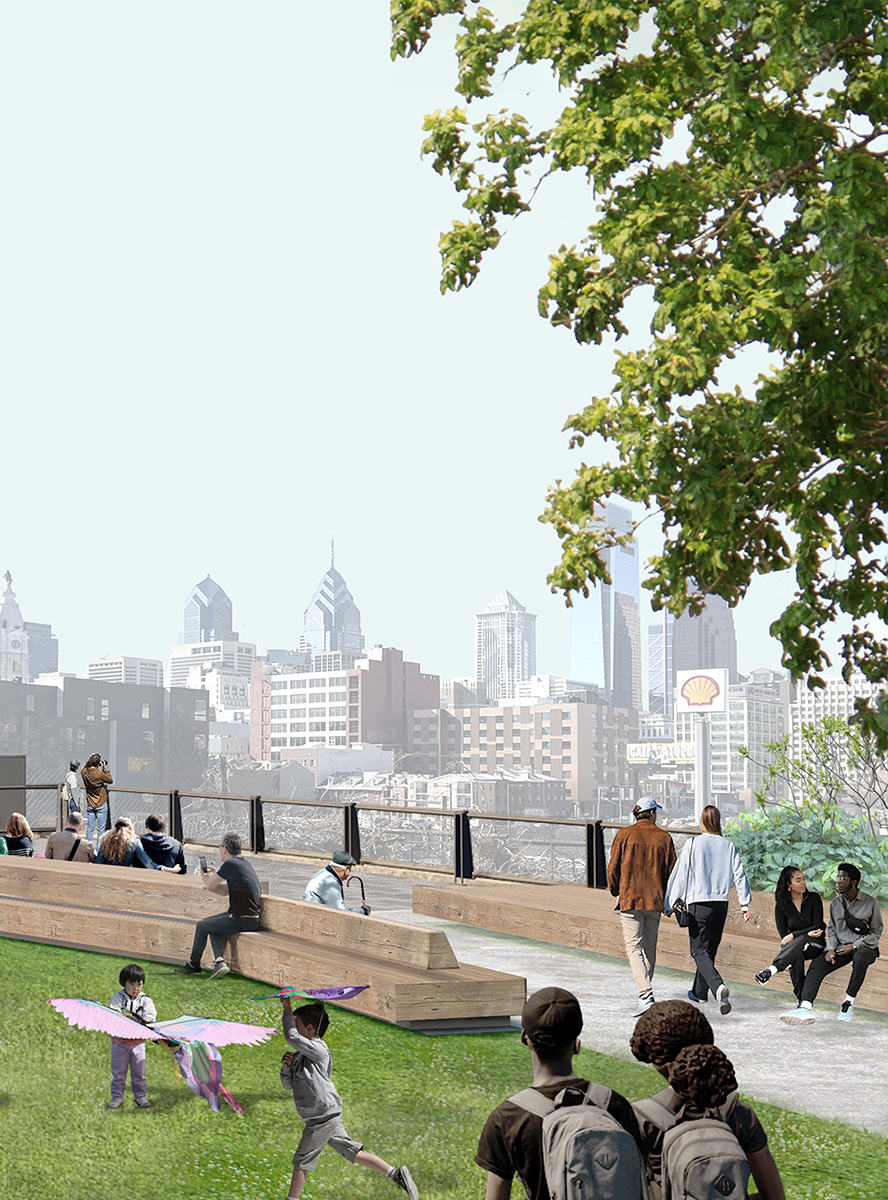
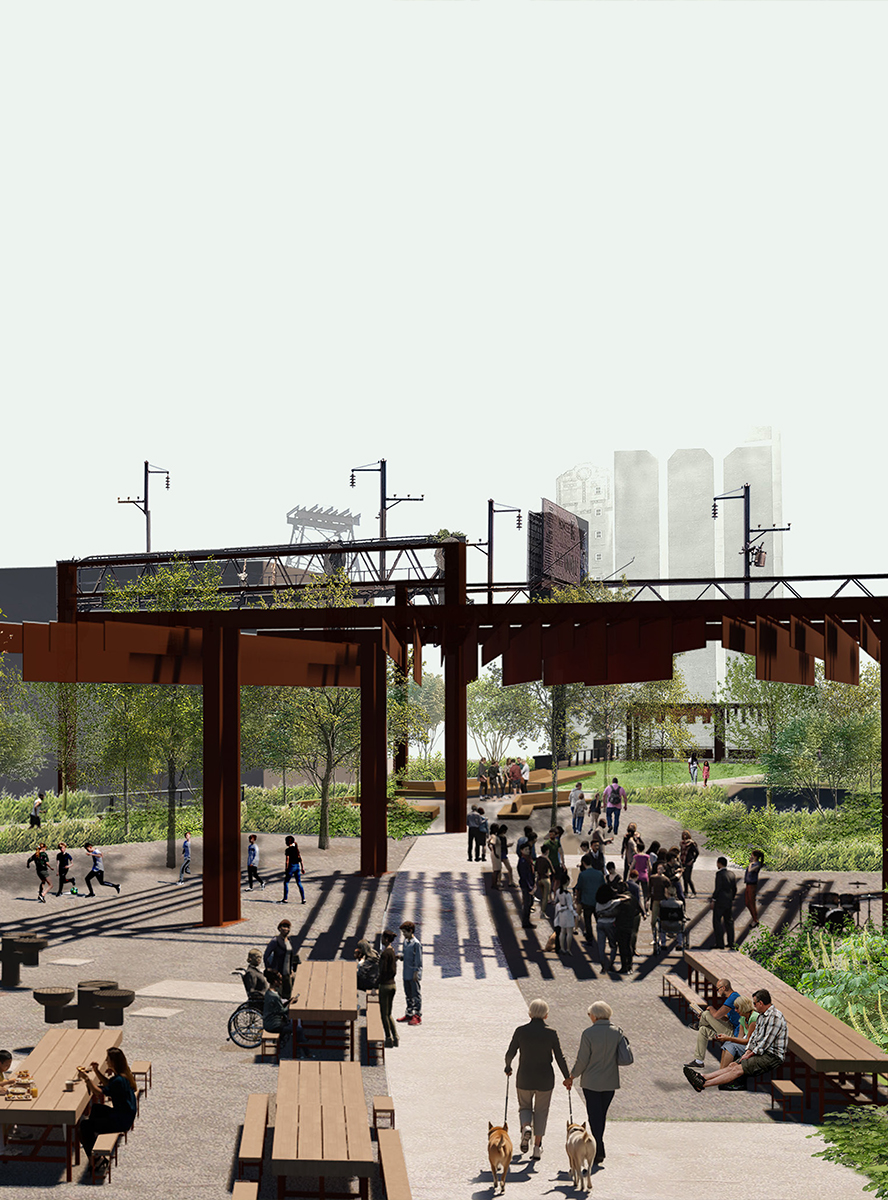
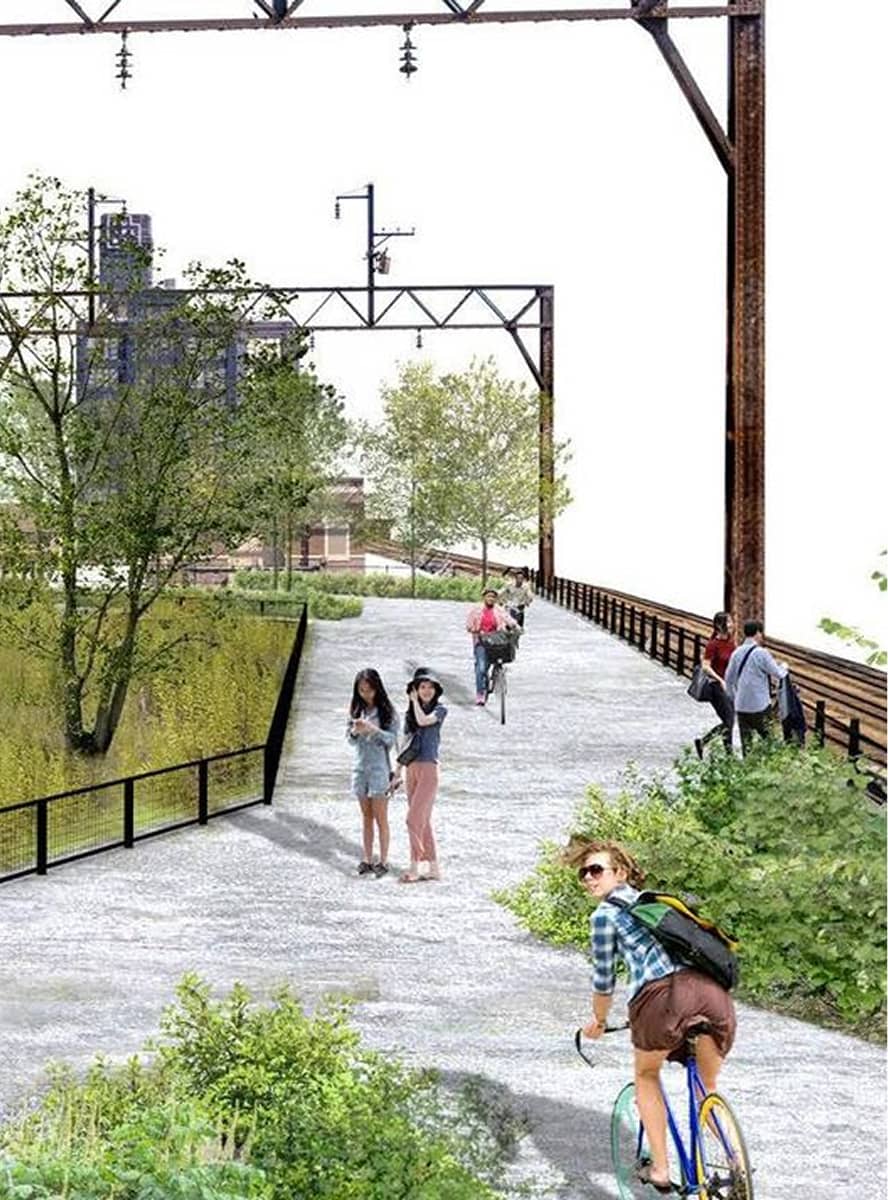
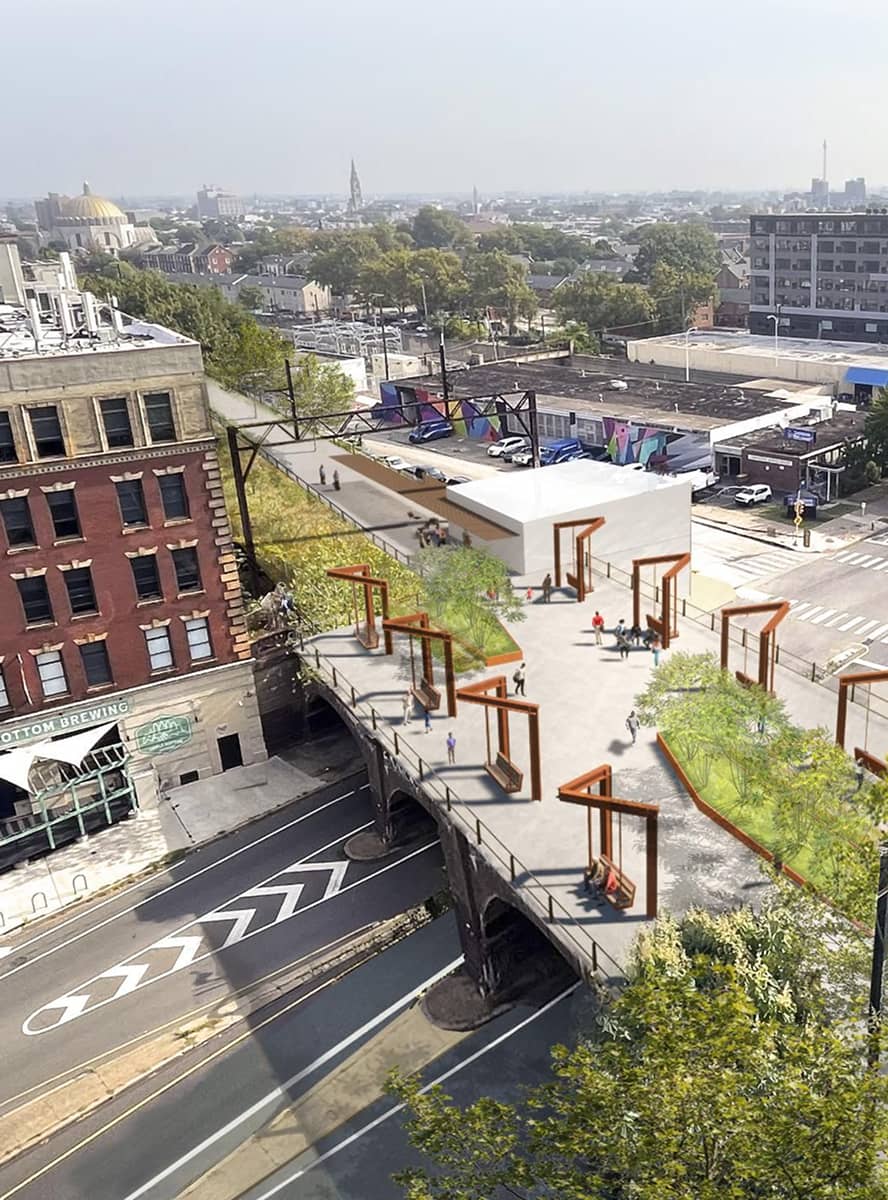
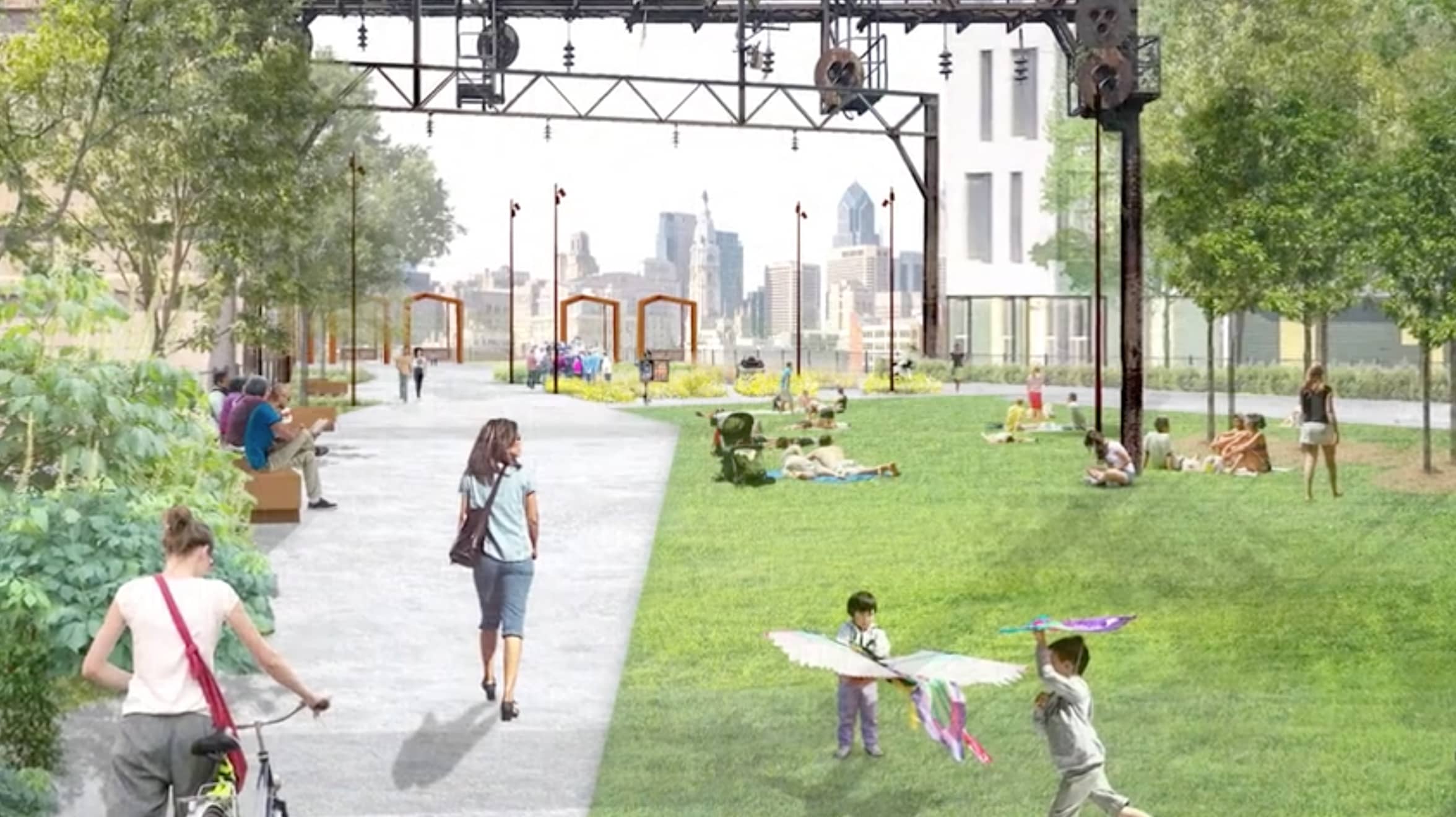
Phase 2 Renderings
To the right, scroll through a series of current photos and conceptual design renderings showing some of the proposed improvements.
The Rail Park Phase 2 is generously supported by
-
Connelly Foundation
-
PECO Green Region Open Space Program
-
Pa. Department of Community & Economic Development, Industrial Sites Reuse Program
-
Pa. Department of Community & Economic Development, Local Share Account Statewide Program
-
Poor Richard's Charitable Trust
-
U.S. Department of Transportation, Reconnecting Communities Program
-
William Penn Foundation
-
Wyncote Foundation
Support the Next Phase
To learn about how you can support the second phase of the Rail Park, contact Paul R. Levy at plevy@centercityphila.org.